
:max_bytes(150000):strip_icc():format(jpeg)/flight-attendant-feeling-sick-020226-13c26e6b714c407f9a20984dee0b57ab.jpg)
NEED TO KNOW
- A former American Airlines flight attendant is suing Airbus, claiming exposure to toxic fumes have left her severely ill and unable to work
- Tamar Ferrel is requesting damages from the aircraft manufacturer in an amount no less than $30 million
- The lawsuit comes months after the Wall Street Journal‘s September 2025 report that toxic fumes are leaking into airplanes at an alarming rate
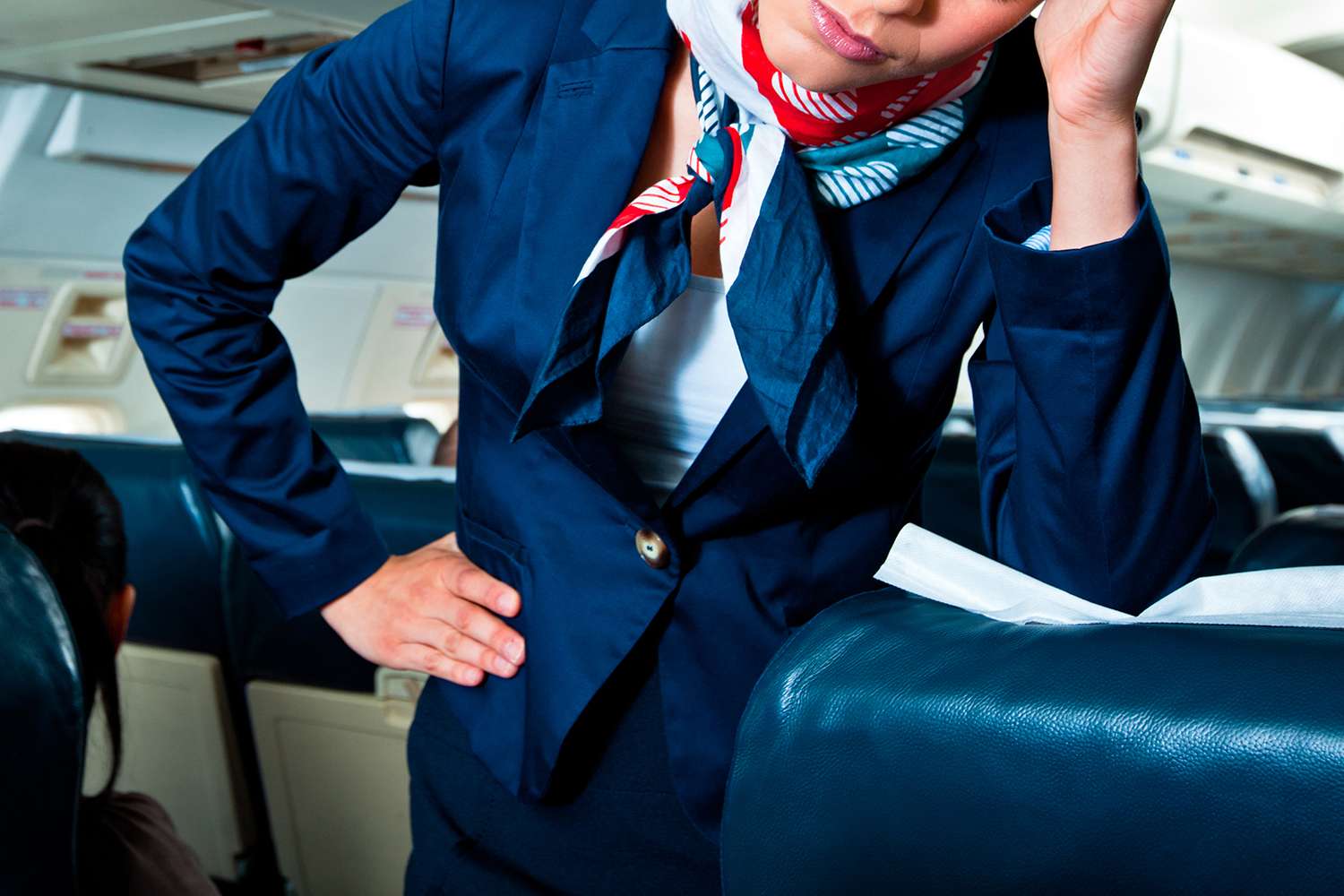
The world’s largest aircraft manufacturer is facing a lawsuit after an American Airlines flight attendant claims she became severely ill while working inside one of the company’s planes.
On Tuesday, Jan. 27, Phoenix-based flight attendant Tamar Ferrel filed a complaint, obtained by PEOPLE, against Airbus accusing the company of negligence. The complaint specifically mentions an incident that allegedly occurred on Jan. 14, 2024, on the ground at the Phoenix Airport.
According to the complaint, Ferrel was working on an American Airlines Airbus A319 around 8:15 a.m. local time when the senior attendant requested the captain turn on the aircraft’s auxiliary power unit (APU).
Massimo Insabato/Archivio Massimo Insabato/Mondadori Portfolio via Getty
When the APU was turned on, Ferrel claims she was immediately hit with a “dirty sock smell that permeated the cabin.” Ferrel then walked to the back of the galley “where another flight attendant was coughing and gagging despite wearing two gas masks,” per the complaint. The captain then reportedly ordered an evacuation of the aircraft.
Ferrel’s “head began pounding, she commenced coughing and she began experiencing a mental fog,” the document says. However, she claims she was not able to leave the plane for 45 to 60 minutes, waiting for the passengers to deplane.
The complaint claims Ferrel, along with the two pilots and the rest of the flight attendants, were subsequently taken to an emergency care facility. Ferrel says she was told she could return to work.
She allegedly attempted to return to work two days later for a flight to Mexico, but she did not feel well, shook and felt mentally foggy. When she got home, “she felt like she was drunk, experiencing headaches as she had never before experienced,” Ferrel claims.
After multiple attempts to return to work, Ferrel says she eventually submitted an ASAP to the Federal Aviation Administration (FAA) — alerting the agency and her company that a safety issue had occurred.
American Airlines did not immediately respond to PEOPLE’s request for comment.
Al Drago/Bloomberg via Getty
Ferrell says she later visited Dr. Robert Kaniecki, a well-known neurologist, who compared her exposure on Jan. 14, 2024, to that of a “football player being hit in the head, but with chemicals.”
The complaint claims Ferrel has been unable to work since the alleged incident and that she now suffers from “short-term” and “long-term health effects.”
The lawsuit cites three separate claims of negligence, including negligent design and negligent failure to warn. Ferrel and her legal team are requesting damages in an amount no less than $30 million.
Ferrel’s attorney, Casey Olbrantz, deferred PEOPLE’s request for comment to co-counsel, Steward Weltman, who did not immediately respond.
The lawsuit follows a recent report from the Wall Street Journal that claims toxic fumes are leaking into airplanes at an alarming rate. The analysis used more than one million FAA and National Aeronautics and Space Administration reports, thousands of documents and more than 100 interviews.
Most modern-day aircrafts use a design element called “bleed air,” which pulls air through the engine of the plane. However, as seals in the engines, designed to stop leaks, wear and degrade, oil seeps in and vaporizes in the heat, releasing toxic compounds, according to the report.
Ferrel’s lawsuit claims Airbus’ design and placement of their APUs in the rear cone of its aircrafts “makes its planes more susceptible to contaminated air events than other commercial aircraft.”
Reports of “wet dog,” “Cheetos,” and “nail polish”-smelling odors have led to emergency landings and sickened passengers and crew, according to the WSJ‘s findings. While they report that exposure to most of the emitted fumes — which consist of unknown quantities of neurotoxins, carbon monoxide, and other chemicals — isn’t toxic, long-term exposure can lead to more serious issues.
The report went on to allege that aircraft manufacturers and airlines have downplayed health risks, lobbied against the adoption of certain safety measures and made harmful cost-cutting measures.
Never miss a story — sign up for PEOPLE’s free daily newsletter to stay up-to-date on the best of what PEOPLE has to offer, from celebrity news to compelling human interest stories.
An Airbus spokesperson did not return PEOPLE’s request for comment regarding Ferrel’s lawsuit, but at the time of the WSJ report, a representative said the company’s aircrafts “are designed and manufactured according to all relevant and applicable airworthiness requirements.”
They added: “We are committed to continuously enhancing our products, working closely with operators and regulators to ensure the best possible cabin environment for passengers and crew.”