
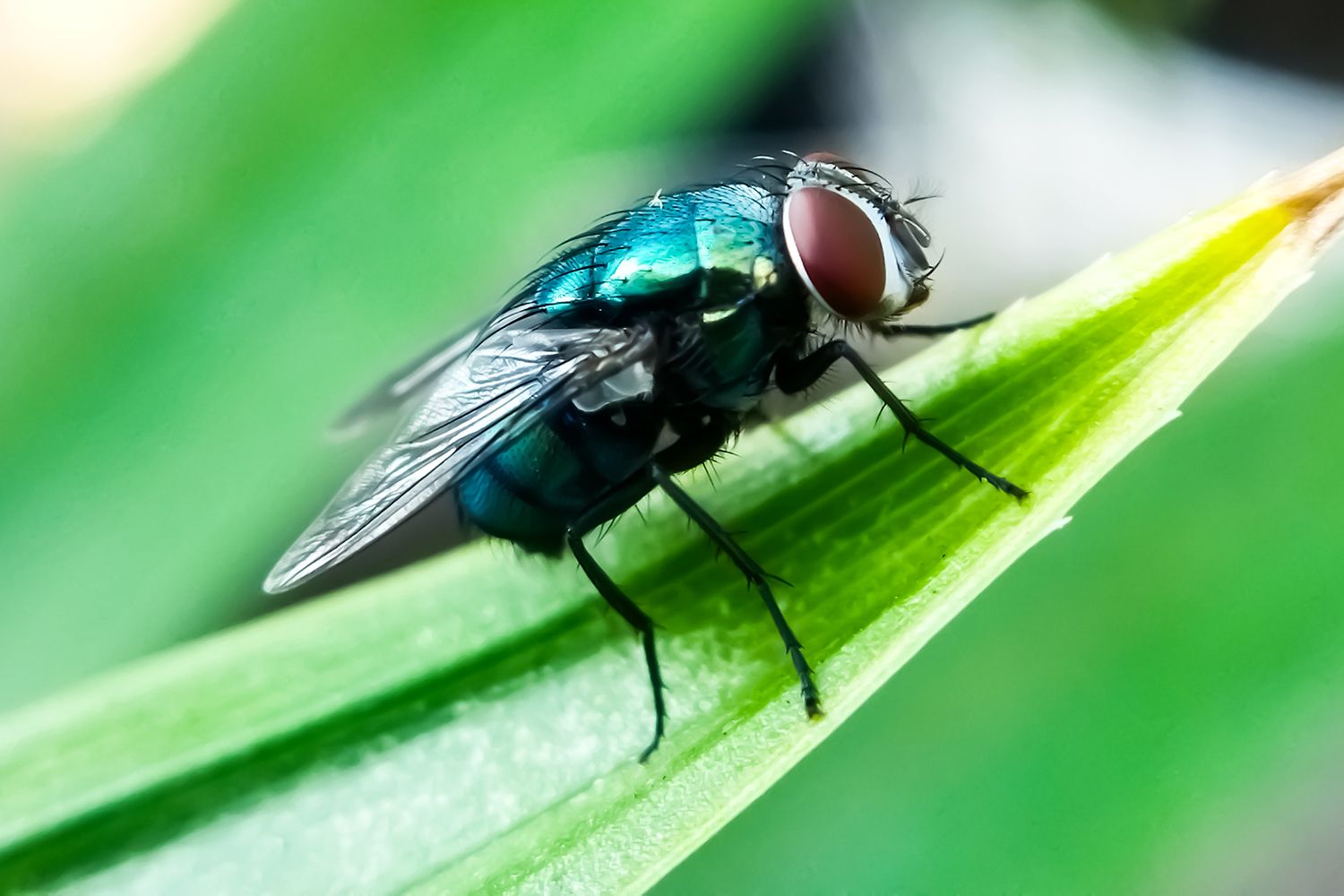
The parasite typically finds points of entry through the eyes, ears, nose, mouth, or genitals of warm-blooded mammals, according to the CDC
:max_bytes(150000):strip_icc():format(jpeg)/cochliomyia-hominivorax-new-world-screw-worm-fly-060926-2-118342f620e54a9ca99632a3aa8505cf.jpg "Cochliomyia hominivorax, the New World screw worm fly")
Credit: Getty
NEED TO KNOW
- On Monday, June 8, the U.S. Department of Agriculture (USDA) announced that three new cases of flesh-eating screwworm have been reported in Texas and New Mexico
- “We will continue to watch the data very, very, very closely,” said U.S. Secretary of Agriculture Brooke Rollins
- The USDA is planning to release sterile flies to prevent the spread of the parasite
New cases of flesh-eating screwworm have been discovered across different states, bringing the total number of affected animals to five.
The U.S. Department of Agriculture (USDA) revealed on Monday, June 8, that three new cases of New World screwworm have been reported in Texas and New Mexico, according to Reuters.
U.S. Secretary of Agriculture Brooke Rollins said a calf had been found with the parasite in La Salle County, Texas. A dog in Lea County, New Mexico, had also been found with the New World screwworm. The canine is believed to have moved up from Mexico.
Rollins added that just that afternoon, they had received confirmation that the parasite had been found in a goat in Gillespie County, Texas.

Credit: Getty
“These developments obviously represent a serious threat to our livestock and wildlife, but they haven't caught us off guard,” she said in a briefing on June 8, per Reuters. “We have been tracking this pest for a long time and we have fought before and we will do so again.”
Rollins said she doesn't have a timeline, adding that they are “just at the beginning of this new phase of the battle with it from our side of the border.”
“We will continue to watch the data very, very, very closely,” she said. Rollins also announced John Bellinger as the new senior advisor for New World Screwworm Preparedness.
Currently, there are three cattle, one dog and one goat with the parasite, per the USDA tracker, which has not yet been updated with the goat's case.
The New World screwworm is a fly that lays eggs in open wounds and body openings, according to the Centers for Disease Control. The parasite typically enters through the eyes, ears, nose, mouth, or genitals of warm-blooded mammals.
Never miss a story — sign up for PEOPLE's free daily newsletter to stay up-to-date on the best of what PEOPLE has to offer, from celebrity news to compelling human-interest stories.
Once the eggs hatch, they turn into maggots that burrow into the host and feed on its flesh.
Even small breaks in the skin can be enough for the screwworm to lay eggs, according to the CDC.
“One female can lay 200 – 300 eggs at a time and may lay up to 3,000 eggs during her 10- to 30-day lifespan,” per the CDC. “Eggs hatch into maggots that burrow into the wound to feed on the living flesh. After feeding for about 7 days, larvae drop to the ground, burrow into the soil, and emerge as adult screwworm flies.”
The Canadian Food Inspection Agency announced in a news release on Friday, June 5, that it was implementing temporary import restrictions on livestock, including horses, from entering Canada from affected areas.
“While our colder climate is not hospitable for the long-term establishment of the fly in Canada, they can survive shorter periods of time in the summer months,” the news release stated. “Taking this action now is an appropriate risk mitigation measure to prevent its introduction and protect animal health.”

Credit: Getty
Screwworms were "largely eradicated" in America in the 1960s, the Food and Drug Administration said previously. However, a person who traveled to El Salvador in Central America and then returned to Maryland in August 2025 was the first case of a human being infected in years.
The USDA is attempting to tackle the problem by releasing sterile flies over and just outside of the infested areas.
The technique is described as a “proven method of preventing the spread of New World screwworm, according to the USDA.
“Female NWS flies mate only once in their lifetime,” it stated. “When they mate with a sterile male, they lay unfertilized eggs that do not hatch. By releasing sterile flies in and around affected areas, USDA increases the likelihood that wild females will encounter sterile males, preventing them from producing viable offspring.”
In a press release, the USDA urged pet and livestock owners to check their animals for draining or enlarging wounds, maggots or egg masses, signs of discomfort and lesions in body openings, such as the nose, ears, genitalia, and umbilical area.
Though New World screwworm cases are rare in people, the department stated that anybody who notices “a suspicious lesion” should seek immediate medical care.
Any new cases should be reported to the USDA here.